
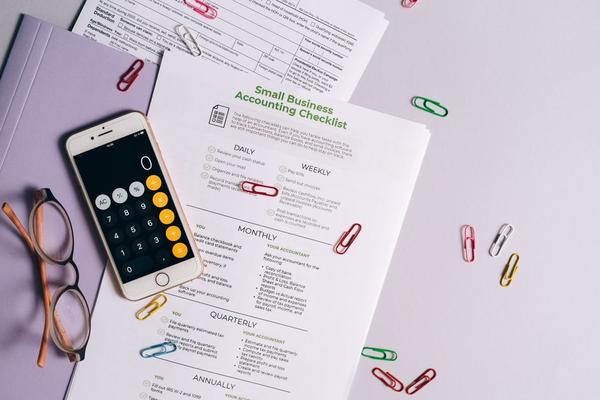
A smoother workday rarely comes from working faster. It comes from knowing what needs attention, who owns each task, and when routine checks should happen. A small business daily operations checklist turns those moving parts into a repeatable rhythm, so owners spend less time reacting to missed steps and more time managing deliberately.
The goal is not to create a rigid schedule. It is to build a practical operating framework. When recurring business tasks are visible and assigned, staff can work more independently, handoffs become clearer, and small problems are more likely to be caught early.
Start the Day With a Five-Minute Operational Scan
Before opening email, taking calls, or jumping into production, review the few items that can affect the entire day. Check staffing, appointments, deliveries, urgent customer issues, cash-sensitive commitments, and deadlines that cannot move. This short scan helps you identify exceptions before they disrupt the normal routine.
Imagine a small repair shop with three technicians. If one calls in sick and a parts delivery is delayed, the owner can adjust the schedule at 8:00 a.m. instead of disappointing customers later. The checklist does not solve the problem by itself; it creates the early warning needed to respond well.
Confirm Staffing, Roles, and Priority Work
Every workday should begin with clear ownership. Confirm who is present, who is covering customer-facing duties, who is responsible for production or service delivery, and who handles time-sensitive administrative work. If priorities changed overnight, communicate those changes before people settle into the wrong tasks.
Separate “must happen today” work from “should happen today” work. The first group includes customer commitments, payroll deadlines, scheduled jobs, shipping cutoffs, safety checks, and anything with an immediate operational consequence. The second group can move if the day becomes unusually busy.
Review Customer Commitments and Open Requests
Customer work is often where missed steps become most visible. Review new inquiries, orders, bookings, support requests, scheduled callbacks, and unresolved complaints. Make sure each open item has an owner and a next action instead of sitting in a shared inbox or someone’s memory.
For service businesses, this may mean checking appointments and confirming materials or access details. For online businesses, it may mean reviewing unfulfilled orders, failed payments, refund requests, or messages that need a same-day response. The exact daily business tasks vary, but every open customer commitment should have a clear status.
Check Sales, Payments, and Cash-Sensitive Items
You do not need a full financial review every morning, but you should look for issues that can affect operations today. Check whether expected payments arrived, whether important invoices are overdue, whether a payment processor has flagged anything, and whether upcoming expenses require attention.
Also review leads or sales opportunities that need a prompt response. A prospect who requested a quote yesterday can become tomorrow’s lost sale if nobody follows up. Keeping these items inside the operations checklist makes revenue activity part of the daily workflow.
Verify Inventory, Supplies, and Required Resources
If your business depends on stock, equipment, vehicles, ingredients, packaging, or software, perform a quick availability check. Focus on fast-moving items, low-stock alerts, resources needed for scheduled work, and anything with a long replacement lead time.
Watch for quiet operational dependencies too. A printer running out of labels, an expired subscription, or a vehicle problem can stop work just as effectively as an empty shelf. Add these risks only when they are genuinely relevant, so the checklist stays useful rather than bloated.
Run a Midday Progress Check
A midday review prevents the morning plan from becoming obsolete. Check whether priority work is on schedule, whether customers are waiting, whether staff are blocked, and whether new urgent tasks have appeared. This can take less than ten minutes when the team already uses a shared task system.
A useful question is: “What could still fail today if nobody intervenes?” That keeps attention on exceptions instead of encouraging unnecessary micromanagement. If everything is moving normally, let people continue working.
Keep Communication and Handoffs Visible
Many small-business problems happen between tasks rather than inside them. One person finishes a quote but does not tell sales. A technician completes a job but the invoice is not triggered. A customer request is answered but no follow-up date is recorded. Build handoff checks into recurring business tasks so each completed action leads naturally to the next one.
Simple written ownership is usually enough: task, owner, due time, and next step. Related internal topics that fit naturally here include task delegation for small businesses, standard operating procedures, and weekly business reviews.
Close the Day With a Controlled Reset
The end-of-day routine should make tomorrow easier. Review unfinished work, customer promises, new deadlines, urgent purchases, and issues that need escalation. Update task statuses so the next morning starts from accurate information rather than guesswork.
Then perform any business-specific closing checks. That might include reconciling the till, backing up key files, preparing tomorrow’s job sheets, confirming deliveries, securing premises, or checking that automated systems completed as expected.
Make the Checklist Easy to Use Every Day
An operations checklist only works when people actually use it. Keep it short enough to scan, assign each item to a role rather than relying on the owner, and separate daily checks from weekly or monthly reviews. If an item never changes and never requires action, it may not belong on the daily list.
Review the checklist periodically and remove steps that create no value. Add new steps when a real failure reveals a recurring gap. This keeps the checklist tied to actual experience rather than turning it into a document that gets ignored.
FAQ
What should be included in a small business daily operations checklist?
Include the daily checks that protect customer service, staffing, cash flow, production, inventory, deadlines, and handoffs. The exact items should reflect how your business actually operates rather than copying a generic list word for word.
How long should a daily operations check take?
For many small businesses, opening and closing checks can be completed in about five to fifteen minutes each. More complex operations may need longer, but the review should stay focused on exceptions, priorities, and accountability.
Who should own the checklist?
The owner can design the process, but individual tasks should be assigned to the people closest to the work. A checklist becomes more reliable when responsibility is distributed across roles instead of depending on one person to remember everything.
How often should the checklist be updated?
Review it whenever operations change and give it a deliberate review every few months. Update it after repeated mistakes, new systems, staffing changes, new services, or any event that exposes a gap in the current process.
Build a Routine That Reduces Daily Friction
A strong small business daily operations checklist creates consistency without turning the company into a bureaucracy. It gives the team a shared view of what matters, makes responsibilities visible, and creates natural checkpoints for catching problems early.
Start with the tasks that most directly affect customers, cash, deadlines, and delivery. Keep the process simple, assign ownership clearly, and refine it as the business changes. Over time, the checklist becomes less about remembering tasks and more about creating a dependable way to run the day.